

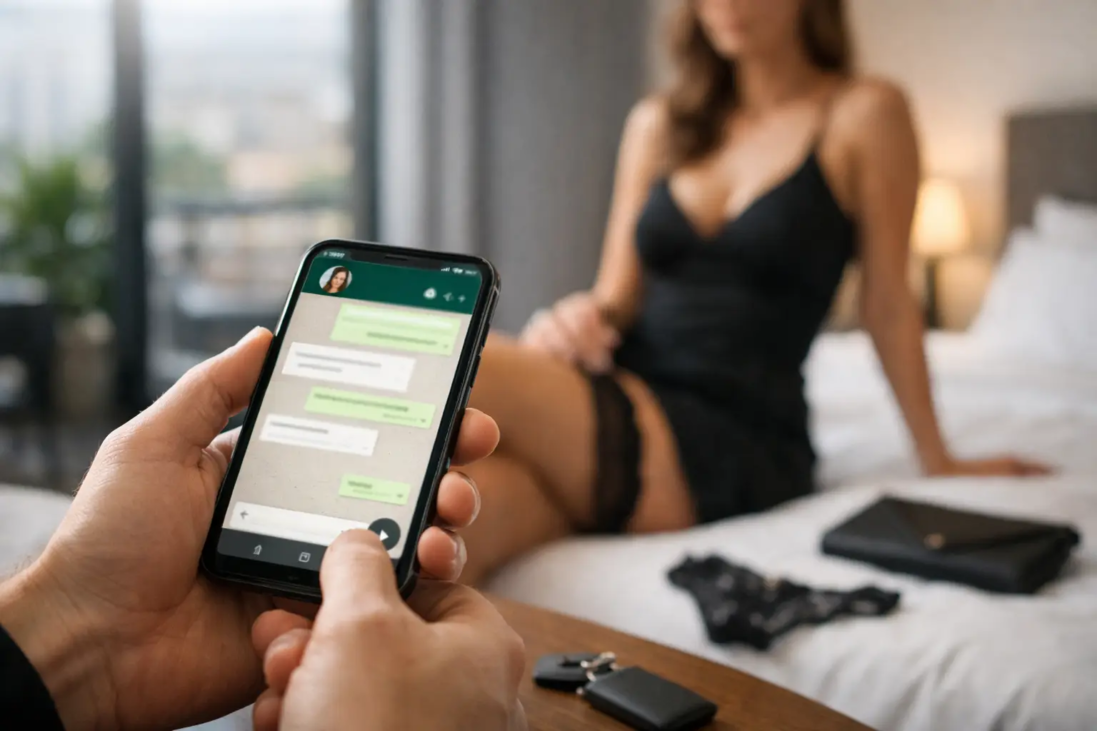
A WhatsApp message can feel private, immediate, and low-pressure, especially when you are traveling, staying in a hotel, or trying to plan an evening around a packed schedule. But understanding how WhatsApp escort booking works starts with one non-negotiable point: a chat app does not make an arrangement legal, verified, or safe. Any adult companionship booking should stay within local law, clear consent, and professional boundaries.
For travelers in Kuala Lumpur, Petaling Jaya, or any unfamiliar city, the smartest approach is not rushing into a conversation because a profile looks polished. Discretion is valuable, but real discretion includes protecting your identity, your finances, your location, and everyone’s right to set limits without pressure.
How WhatsApp Escort Booking Works in a Lawful Setting
WhatsApp is often used as a direct communication channel after someone finds an adult-companionship listing or service page. Instead of filling out a lengthy form, the client sends a short inquiry, receives availability details, and discusses whether the provider offers lawful companionship for the requested date, time, and area.
A legitimate conversation should be clear rather than cryptic. Both parties need enough information to decide whether they are comfortable proceeding. That normally means confirming that everyone is an adult, agreeing on the general type of lawful social engagement, discussing timing, and setting expectations around privacy and conduct.
Commercial sexual activity is subject to legal restrictions in many places, including Malaysia. Do not use WhatsApp to arrange illegal services, evade local regulations, or pressure anyone into an encounter. If the terms become vague, coercive, or focused on avoiding the law, step back.
Start With a Focused, Respectful Inquiry
A well-written first message saves time and signals maturity. Keep it brief: introduce yourself, state the date and approximate time you are seeking companionship, and mention the public or private setting only to the extent needed for a lawful booking. There is no need to send personal photos, passport details, your room number, or intimate requests in an opening message.
Respect works both ways. A provider may decline, ask screening questions, or require notice before confirming an appointment. That is not a sign that something is wrong. It can be a sensible safety practice, particularly for independent adults managing their own schedules.
Avoid sending repeated messages if there is no immediate reply. WhatsApp availability is not the same as 24-hour obligation. A polished, private experience begins with patience, not pressure.
Confirm Identity Without Oversharing
The central risk with messaging-based bookings is impersonation. Fake profiles can copy photos, names, and service descriptions from real people. Before sharing sensitive details or making financial commitments, look for consistent communication and reasonable verification.
You can ask whether the person is the same individual shown in the profile and request a non-sensitive, current confirmation through the app. Keep the request respectful and do not demand explicit images, documents, or anything that compromises someone’s safety. A genuine provider also has a right to protect personal information until a lawful arrangement is properly confirmed.
Be alert to sudden changes in identity, location, pricing, or payment instructions. If the account claims to represent one person but keeps redirecting you to unfamiliar contacts, treat that as a warning sign. The same applies when someone insists on moving the conversation to an unverified number without explanation.
Discuss Expectations Before You Confirm
Luxury is not about vague promises. It is about clarity. Before any lawful adult-companionship appointment is confirmed, discuss the expected duration, the occasion, the meeting area, and standards of respectful behavior. If you are attending dinner, a social event, or an evening out, agree on the practical plan before either party commits time.
Boundaries should be direct. No one should be expected to guess what is acceptable, tolerate unwanted touching, consume alcohol, or remain in an uncomfortable setting. Consent must be freely given, specific, and ongoing. It can be withdrawn at any time, even after an appointment has begun.
If either person seems intoxicated, distressed, unable to communicate clearly, or under pressure from another person, do not proceed. A discreet encounter is never worth compromising safety or consent.
Be Careful With Locations and Hotel Details
Clients often want convenience, especially when staying in a premium hotel or private residence. Yet sharing a full room number, access code, or exact address before confirmation creates unnecessary risk. Begin with a general location, such as the hotel name or neighborhood, and provide further details only when you are comfortable that the booking is genuine and lawful.
For a first meeting, a public hotel lobby, restaurant, or other staffed venue can be safer than immediately directing a stranger to a private room. It gives both adults a chance to confirm that the person matches the conversation and that everyone feels at ease.
If the plan changes, communicate it clearly. Last-minute location switches, requests to meet in isolated places, or unexpected extra guests are reasons to cancel. You do not owe anyone a meeting simply because messages have already been exchanged.
Treat Payment Pressure as a Serious Red Flag
Payment scams are common in private-message bookings. A person may request an urgent deposit, claim that a fee is needed to release a booking, or threaten to expose private messages unless money is sent. These tactics rely on embarrassment and urgency.
Never send funds because you feel intimidated. Do not share card numbers, banking logins, government IDs, or screenshots that reveal your financial information. Be particularly skeptical of demands for cryptocurrency, gift cards, repeated “verification” charges, or payments made to a different name from the one you have been speaking with.
For any lawful professional service, pricing, cancellation terms, and payment expectations should be discussed in plain language before confirmation. If the terms are constantly changing, there is no real booking to protect. End the conversation and block the account if necessary.
Protect Your WhatsApp Privacy
WhatsApp gives you useful controls, but you must use them deliberately. Review who can see your profile photo, status, last seen information, and live location. Consider limiting those settings before contacting any unfamiliar account.
Do not send images that reveal your face, hotel room, workplace, family, or identifying documents unless you have a compelling reason and fully understand the risk. Screenshots can be saved, forwarded, or used in scams. The most private message is often the one you never send.
Keep your communication calm and factual. Threats, insults, or explicit pressure can create legal and personal problems even if the meeting never happens. If a conversation becomes hostile or manipulative, stop responding, save relevant evidence, and use WhatsApp’s blocking and reporting tools.
Know When to Walk Away
A confident client knows that discretion includes the ability to leave. Cancel if the other party will not confirm they are an adult, refuses to discuss basic boundaries, changes the agreed setting without explanation, or tries to turn a private chat into a high-pressure payment demand.
You should also walk away if you are being asked to participate in anything unlawful, non-consensual, or unsafe. No profile, promise, or polished message is worth ignoring your instincts. A respectful provider will understand a clear no, just as you should respect theirs.
The most valuable part of a private booking is not speed. It is the confidence that every conversation, boundary, and decision remains voluntary, lawful, and handled with care.
Add a Comment