

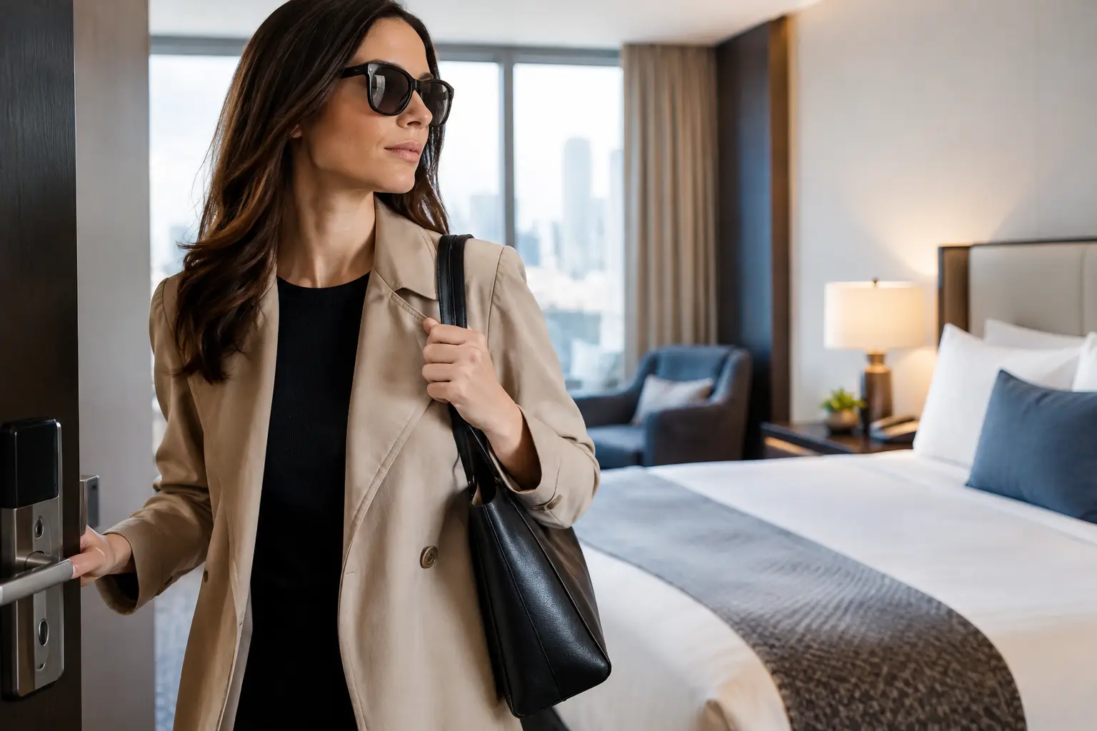
A premium hotel stay should feel private from the moment you arrive, not like a performance in a crowded lobby. This hotel guest privacy guide is for adults who want to protect their time, personal details, and comfort while staying in Kuala Lumpur or Petaling Jaya. Whether you are traveling for business, meeting a private guest, or simply enjoying time away from routine, discretion starts with the choices you make before check-in.
Privacy is not about acting suspicious. It is about being organized, respectful of hotel rules, and selective about what you share. The best discreet stays feel effortless because the details were handled quietly in advance.
Choose a Hotel That Matches Your Expectations
Not every hotel offers the same balance of luxury, access, and anonymity. A large international property may have polished security procedures, multiple elevators, busy common areas, and professional front-desk staff who see hundreds of guests each day. A smaller boutique hotel may offer a quieter atmosphere, but its reception area can be more visible and personal.
The right choice depends on what matters most to you. If you value speed and minimal conversation, a business-oriented hotel with efficient check-in and keycard elevator access can be ideal. If you want a more relaxed atmosphere, a high-end residence or suite-style property may give you additional space and privacy. Read the visitor policy before booking, particularly if you expect a guest to join you later.
Do not assume that an expensive hotel has no rules. Premium properties often have stronger security, and that can be a benefit. Clear procedures protect registered guests, prevent unauthorized access, and reduce unnecessary interruptions at your door.
Use Your Booking Details Carefully
Your reservation name, phone number, email address, and payment method create a record. Keep those details accurate, but do not share booking confirmations casually through group chats, social media, or forwarded email threads. A screenshot of a confirmation can reveal your room category, arrival date, hotel address, and reservation number.
Use a personal email account you control and make sure your phone has a passcode. Turn off lock-screen previews for messages if you do not want names, confirmations, or private conversations appearing when someone glances at your screen.
When checking in, ask the front desk not to announce your room number aloud. Most professional hotels understand this request immediately. They can point to the key folder, write the room number down, or handle the exchange quietly. This small request makes a noticeable difference in a busy lobby.
Keep Your Identity Documents Secure
Hotels may need identification at check-in, depending on their policy and local requirements. Hand it over only to authorized staff at the front desk, and confirm it has been returned before walking away. Never send copies of your passport, ID, or bank cards to an unverified person through messaging apps.
A legitimate hotel will not ask for sensitive financial details through an unexpected message. If anything seems unusual, contact the property through the number listed on your booking confirmation or speak to the front desk directly.
Plan Guest Access Before the Meeting
If you are inviting an adult guest to your room, hotel policy is the first consideration. Some hotels require all visitors to register at reception. Others allow guests to meet in the lobby and accompany a registered guest upstairs. The process varies, so a quick, calm question to the front desk avoids an awkward situation later.
Do not pressure staff to ignore their rules. Visitor procedures exist for safety, and arguing with reception only draws attention. A confident guest respects the property, follows the registration process if required, and keeps the interaction brief.
For private meetings, agree on a clear arrival window rather than exchanging constant updates in public areas. Confirm the hotel name, the lobby meeting point, and a simple way to identify each other without oversharing. Avoid sending room numbers before you have verified the person is present and comfortable proceeding.
Meet First, Then Share the Room Number
The lobby is usually the best place for an initial greeting. It gives both people a chance to confirm they are meeting the right person and decide whether they want to continue. Once you are comfortable, you can go upstairs together in accordance with hotel policy.
This approach is more discreet than directing someone to your floor without meeting them first. It also limits the chance of unwanted knocks, confusion at the door, or messages from someone who has your room number but should not.
Protect Your Phone, Payments, and Conversations
Your phone is often the most revealing item you carry. It holds your contacts, photos, travel plans, banking apps, work email, and private messages. Keep it with you or lock it in the room safe when you do not need it. A bedside table is not secure storage, especially if you are distracted, showering, or sleeping.
Be equally careful with payment discussions. Decide the arrangement privately and clearly before meeting where possible, and avoid displaying large amounts of cash in public areas. If you use digital payment, verify recipient details carefully. A rushed transfer to the wrong account is difficult to reverse and creates a needless privacy problem.
Do not record private conversations, photograph another person without permission, or share details of a meeting afterward. Discretion is mutual. People who expect privacy should provide it too.
Room Privacy Matters More Than Most Guests Think
Once inside your room, use the deadbolt and privacy sign when appropriate. Check that the door closes fully behind you and never leave it propped open while waiting for someone. If a person claims to be hotel staff, use the peephole and call the front desk before opening the door if you were not expecting service.
Keep valuables in the safe or carry them with you. That includes passports, extra cards, watches, jewelry, and any sensitive documents. If the room safe is too small or you do not trust it for a particular item, ask reception about secure storage options.
Be mindful of noise as well. A discreet stay means respecting neighboring guests. Keep music, conversations, and television at a reasonable level, especially late at night. Complaints create attention, while courtesy protects everyone’s comfort.
Know When to Walk Away
Privacy should never require you to ignore your instincts. End the meeting if someone changes the agreed plan, asks for access to your phone or wallet, pressures you to break hotel rules, arrives with unexpected companions, or makes you feel unsafe. You do not owe anyone an explanation beyond a firm, polite no.
If there is an immediate concern, contact hotel security or reception. Premium hotels are accustomed to handling guest issues discreetly. It is better to involve trained staff early than to hope an uncomfortable situation resolves itself.
For adults arranging private companionship, the strongest standard is simple: clear communication, mutual consent, respect for the property, and no surprises. KL Call Girl Escort clients who value a polished experience should apply that same standard to every hotel meeting.
A Hotel Guest Privacy Guide for Better Stays
The most discreet hotel experience is rarely about secrecy or elaborate planning. It comes from practical habits: choosing a suitable property, securing your devices, understanding visitor rules, meeting responsibly, and treating everyone involved with respect.
A calm private stay leaves no room for panic, pressure, or unnecessary exposure. Handle the details with confidence, protect the boundaries that matter to you, and let your time at the hotel remain exactly that – your time.
Add a Comment