

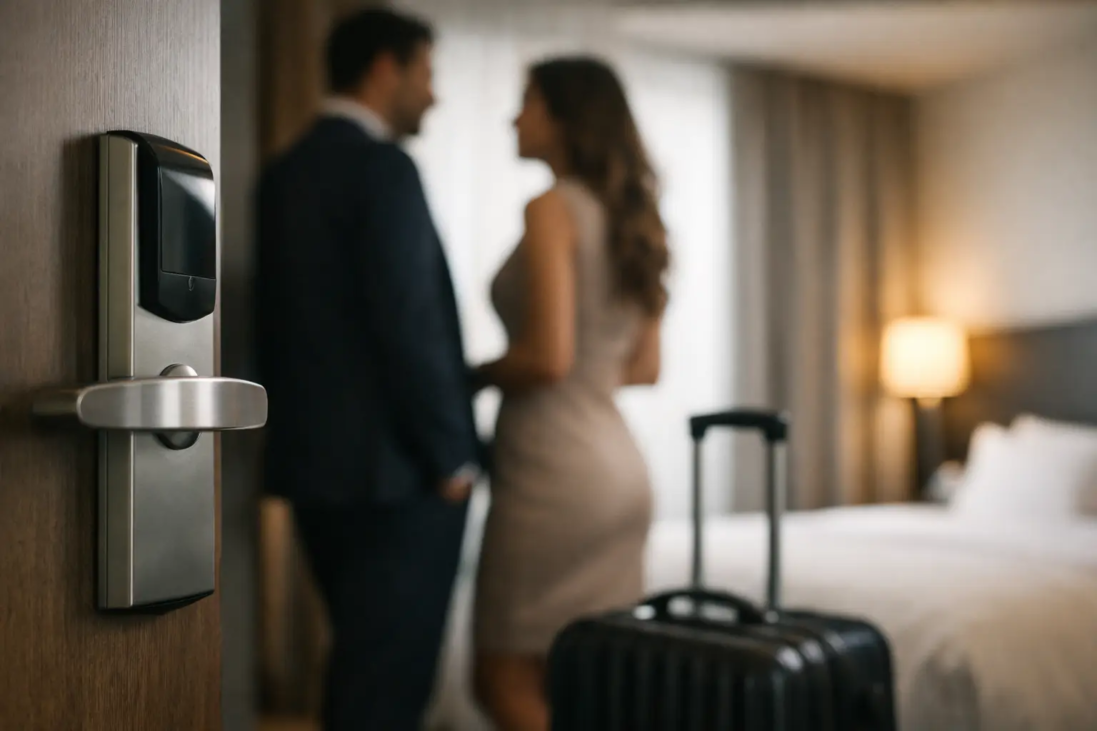
A hotel lobby can feel public even when your room is private. So, are hotel companion visits discreet? Usually, they can be handled with a reasonable level of privacy when everyone follows hotel policies, respects staff, communicates clearly, and stays within local law. But discretion is not the same as invisibility, and no reputable hotel can promise that a guest’s movements will never be noticed.
For business travelers, tourists, and residents using premium Kuala Lumpur or Petaling Jaya hotels, the goal should be simple: keep the visit quiet, lawful, respectful, and free from unnecessary drama. A polished private visit should never create pressure for hotel employees, other guests, or anyone involved.
Are Hotel Companion Visits Discreet in Practice?
Hotels are built around guest privacy. Front-desk teams generally do not announce who is visiting whom, discuss a guest’s room number with strangers, or interfere with ordinary social visits. In upscale properties, staff are trained to be professional and discreet because executives, celebrities, families, and international travelers all expect that standard.
Still, every hotel has rules. Some properties allow registered guests to receive visitors with little friction, while others require visitors to present identification, check in at reception, or leave before a certain hour. A hotel may also charge for an additional overnight occupant or limit the number of people permitted in a room. These policies are about security, occupancy, and guest welfare, not personal judgment.
The most reliable answer is that discretion depends on the hotel, the time of day, the behavior of both people, and whether the visit complies with property rules. A calm, respectful arrival is far less likely to draw attention than conduct that is loud, rushed, argumentative, or clearly disruptive.
Privacy Has Limits, and That Is a Good Thing
A private hotel room is intended for private use, but hotels also have a duty to protect guests and employees. Security may intervene when there are signs of harassment, intoxication, violence, noise complaints, suspected coercion, or activity that violates the law or the property’s terms. Cameras are common in lobbies, elevators, entrances, and hallways, although they should not be inside guest rooms or private bathrooms.
That distinction matters. Seeking discretion should mean respecting legitimate privacy boundaries, not attempting to bypass security systems, evade registration requirements, or mislead hotel staff. Anyone who pressures you to break a hotel rule, conceal their identity, or ignore a safety concern is creating risk rather than providing a refined experience.
For international visitors, local law is another essential consideration. Laws governing adult companionship, commercial sexual activity, visitor registration, immigration status, and hotel occupancy can vary by country and city. A hotel’s willingness to permit a visitor does not make any illegal conduct legal. When you are unsure, choose the conservative path: follow the hotel’s policy and avoid arrangements that raise legal or personal safety concerns.
Choose the Right Hotel, Not Just the Right Room
A luxury hotel is not automatically more private, but it often has clearer guest procedures and better-trained staff. Before inviting anyone to your room, look at the booking terms or ask the front desk a neutral question about visitor policy. You do not need to share intimate details. Asking whether registered guests may receive visitors, whether ID is required, and whether overnight guests must be added to the reservation is enough.
Serviced apartments and condominiums can have different rules from hotels. Some require visitor registration at the guardhouse, elevator access cards, or advance approval from the resident. Others have strict limits on short-term guests. Treat these requirements as part of the property’s security standard, not an inconvenience to work around.
Room selection also affects comfort. A room near a busy elevator bank, executive lounge, or family-heavy pool floor may offer less natural privacy than a standard room on a quieter guest corridor. That does not mean hiding or sneaking around. It means choosing an environment where a normal, courteous visit does not turn into an awkward spectacle.
Communication Prevents Most Problems
The most discreet visits are arranged with clear expectations before anyone arrives. Confirm the hotel name, expected arrival window, visitor policy, and whether the guest needs to meet you in the lobby or register at reception. Never send a room number to someone you have not verified, and do not invite a person directly to your door without first feeling comfortable about who they are.
If plans change, communicate early. Last-minute confusion can lead to repeated calls in a lobby, visible arguments at the front desk, or someone waiting around unfamiliar areas of the property. A concise message and a realistic arrival time are more elegant than a stream of vague updates.
Privacy also requires consent. Both adults should be comfortable with the meeting, the setting, and the boundaries of the visit. No one should feel pressured to stay, drink, spend money, engage in intimacy, or surrender personal information. A private encounter remains private only when everyone involved can make decisions freely.
Quiet Behavior Matters More Than Elaborate Secrecy
Trying too hard to look invisible often attracts more attention. Most hotel staff and guests will not care about two adults entering a hotel together, using an elevator, or sharing a drink in the bar. What gets noticed is disruptive behavior: excessive intoxication, shouting, crowded room gatherings, repeated trips to reception, or treatment of staff that feels demanding or hostile.
Keep the visit adult, composed, and considerate. Dress appropriately for the property, speak at a normal volume in shared spaces, and avoid lingering around entrances or hallways. Respect quiet hours. Do not bring unapproved guests into the room. Do not use hotel facilities in ways that violate posted rules. These are basic hospitality standards, but they also protect your comfort and privacy.
Payment and personal data deserve the same care. Do not share passport details, room access credentials, corporate travel information, or financial credentials with someone you do not fully trust. Keep valuables secured in the room safe where appropriate, and never leave wallets, devices, or documents unattended. If a person requests unusual access to your room, phone, accounts, or identification, end the interaction.
Safety Is Part of Discretion
A discreet visit should still leave a clear safety trail for the people involved. Let a trusted friend know where you are if you are meeting someone new. Keep your phone charged. Meet first in a public area of the property if either party is unfamiliar with the other. Trust your instincts if communication becomes inconsistent, aggressive, or manipulative.
Avoid excessive alcohol or substances that impair judgment. They can turn a straightforward social visit into a situation where consent, safety, and decision-making are unclear. If either person seems unable to give meaningful consent, the visit should stop. No luxury setting can compensate for poor boundaries.
Hotels can assist when something feels wrong. Contact the front desk or security if you feel unsafe, if someone refuses to leave, if property is being threatened, or if you suspect coercion or exploitation. Asking for help is not a failure of discretion. It is the right response when personal safety is at stake.
The Standard to Aim For
The best hotel companion visit is not one that relies on tricks, secrecy, or pressure. It is one that feels ordinary to everyone outside the room: two consenting adults behaving respectfully, following property rules, and keeping their personal business private.
Before making plans, take two minutes to confirm the hotel’s visitor policy, establish clear boundaries, and make sure the arrangement is lawful and comfortable for both people. That small amount of preparation creates the kind of calm, confidential experience that premium travelers actually value.
[…] legal guidance rather than attempting to interpret the law through hotel gossip or social media. A discreet experience should never depend on hiding conduct from authorities, hotel security, or […]
[…] under stated conditions, and how cancellations are handled. If the agency claims to offer hotel or residence visits, ask how it manages building access and guest […]
[…] Policies can also change based on local laws, security alerts, occupancy levels, or the hotel’s own house rules. A visitor policy is not a personal judgment. It is usually about guest safety, building access, insurance, and keeping the property secure. Respecting it is the quickest route to a discreet, uncomplicated appointment. […]
[…] calls for someone who is well-presented, conversational, and comfortable in upscale surroundings. A hotel-based evening may call for a more private, affectionate, and relaxed style of companionship. For a longer […]
[…] hotel suite, executive residence, or private condominium can offer comfort and discretion, but it does not remove the need for […]
[…] area, the preferred start time, expected duration, and whether the arrangement is at a suitable private hotel or residence. Clear communication reduces unnecessary back-and-forth and respects everyone’s […]