

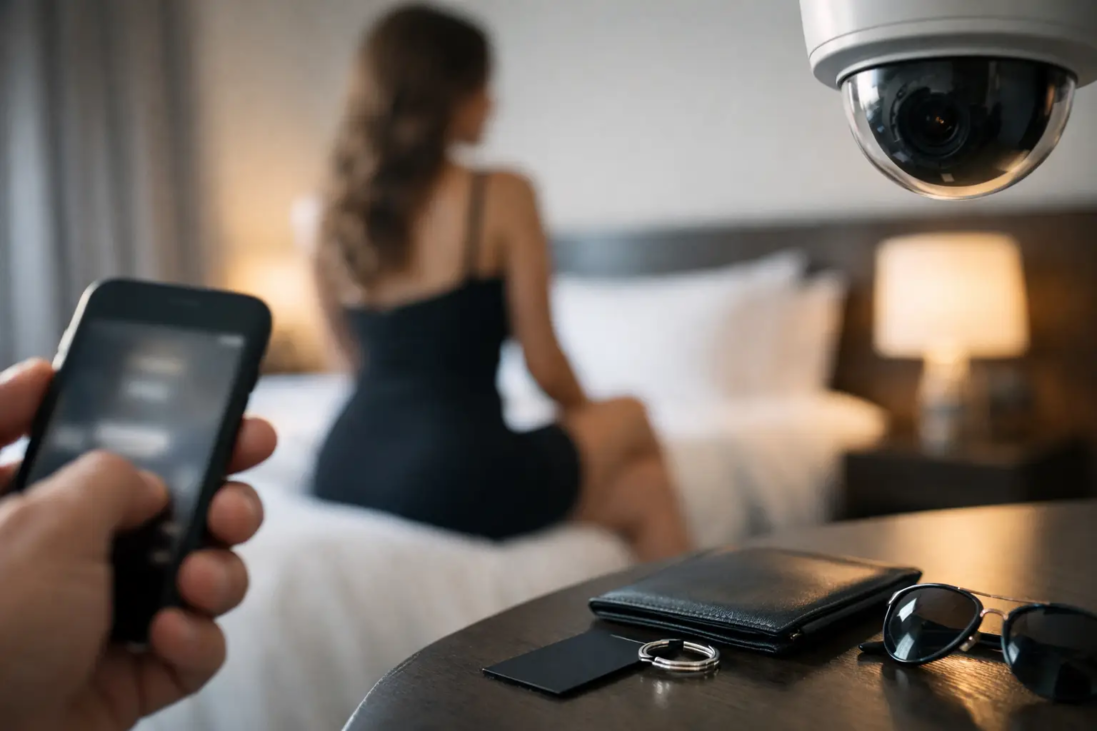
A late hotel check-in, a demanding work schedule, and a private evening in Kuala Lumpur can make discretion feel non-negotiable. So, is escort booking confidential? It can be handled discreetly, but confidentiality is not a magic promise and it should never be treated as one. Every booking leaves some degree of communication, payment, and location information behind.
For clients who value a polished, private experience, the right question is not simply whether a booking is confidential. Ask what information is collected, who can see it, how long it is retained, and whether the arrangement is lawful where it takes place. Clear answers are far more valuable than vague promises of “total secrecy.”
Is Escort Booking Confidential in Practice?
A professional, privacy-minded booking process usually limits unnecessary exposure. That means keeping conversations focused on availability, boundaries, timing, location, and agreed expectations rather than collecting personal details that do not serve the arrangement. It also means treating private messages, photos, and identifying information with restraint.
But private is not the same as invisible. Messaging platforms may retain account information or metadata. A hotel, building, driver, payment provider, or mobile carrier may have its own records. If a booking involves a shared residence, corporate accommodation, or a room reserved in another person’s name, discretion becomes more complicated before anyone sends the first message.
The level of confidentiality also depends on the people involved. An independent companion or agency can protect client information through sensible internal practices, but cannot control a client’s phone, a hotel security system, a third-party app, or the policies of a financial institution. Anyone guaranteeing that no record can ever exist is selling fantasy, not professionalism.
What a Discreet Booking Process Should Look Like
Privacy begins before the booking is confirmed. A well-run service should communicate clearly, avoid pressuring clients to overshare, and provide a respectful channel for discussing preferences and logistics. The conversation should feel calm and controlled, not chaotic, manipulative, or rushed.
Expect a reasonable amount of verification when safety requires it. Both clients and companions have legitimate reasons to confirm that the other party is real, respectful, and acting in good faith. The trade-off is simple: a process with no questions at all may seem convenient, yet it can expose everyone to greater risk. Thoughtful verification should be proportionate, explained, and never used as an excuse to demand sensitive documents, account passwords, workplace details, or intimate personal material.
A privacy-conscious provider should also be precise about communication. Ask whether messages are handled by a small booking team or shared widely, whether photos and details are retained, and whether your contact information is used for future marketing. If the answers are evasive, inconsistent, or overly dramatic, walk away.
For premium companionship, discretion also shows up in conduct. Punctual arrival, low-key communication, respect for building rules, and a composed departure matter. Luxury is not loud. It is the confidence of an experience that does not create avoidable attention.
Privacy questions worth asking before you confirm
You do not need to interrogate anyone, but direct questions protect your time and privacy. Ask how your phone number is used, whether your booking details are shared beyond the people necessary to coordinate it, and how long messages are kept. If the meeting is at a hotel or residence, confirm that the visit complies with the property’s guest policy.
You can also ask for a clear cancellation policy and an outline of what happens if schedules change. Last-minute confusion is one of the fastest ways private plans become visible to other people. A professional response should be plain, respectful, and free from pressure.
Messaging, Payments, and Digital Footprints
Most privacy concerns are digital, not dramatic. Even when a chat is encrypted, the platform can still reflect that two accounts communicated. Screenshots can be taken. Notifications can appear on a lock screen. Cloud backups, shared devices, and synced tablets can reveal more than people expect.
Use only accounts and devices you control. Turn off message previews if someone else may see your screen, keep your phone locked, and do not send identifying documents or private images unless there is a clear, necessary reason and you understand the risk. Do not forward someone else’s photos, messages, or personal details. Confidentiality must run both ways.
Payments deserve the same level of care. Any digital transaction can generate a record through a bank, card issuer, payment app, or wallet provider. Do not assume a payment method is anonymous because it feels casual. Review the description, privacy settings, and terms of the service you use, and never use a payment method that is not yours or one that could put another person at financial risk.
Avoid arrangements involving coercion, deception, stolen identities, fake receipts, chargebacks, or requests to move money for someone else. Those are not privacy measures. They are serious warning signs that can lead to financial loss, fraud, or legal trouble.
Local Law Matters More Than Marketing Language
For visitors and residents in Kuala Lumpur and Petaling Jaya, legal context cannot be ignored. Laws regarding paid sexual services, solicitation, hotel access, immigration, public conduct, and related activities can be strict and can change in interpretation or enforcement. A private setting does not automatically make an arrangement lawful.
If you are seeking adult companionship, stay within applicable law, respect property rules, and ensure every interaction is consensual between adults. No agency, advertisement, chat thread, or premium label can remove legal obligations. When you are unfamiliar with local rules, seek qualified local legal guidance rather than relying on anonymous online claims.
This is also where privacy and consent meet. Never request illegal services, pressure someone to cross stated boundaries, involve alcohol or substances to influence consent, or ask a companion to bypass a hotel’s rules. A truly discreet client is not merely quiet. He is respectful, prepared, and capable of accepting a clear no.
Red Flags That Put Confidentiality at Risk
Some behaviors should end the conversation immediately. Be cautious if someone demands unusually sensitive information before explaining why, threatens to expose you, insists on communicating through multiple unfamiliar accounts, or changes terms repeatedly after you have agreed on basic logistics.
Other red flags include stolen-looking profile photos, pressure to send deposits through confusing channels, refusal to state boundaries, and claims that law or hotel rules do not apply. High-pressure messages are not a VIP experience. They are a sign that the person on the other side may not be trustworthy.
KL Call Girl Escort presents privacy as part of a premium guest experience, but any client should still use independent judgment. Professional language is not a substitute for verified expectations, lawful conduct, and mutual respect. The standard should be clear communication, not blind trust.
A More Realistic Definition of Discretion
The most private booking is usually the least complicated one. It involves adults who communicate honestly, respect each other’s boundaries, use secure personal devices, follow venue rules, and avoid creating unnecessary drama or documentation. It does not rely on exaggerated claims, hidden agendas, or attempts to evade the law.
If privacy is your priority, choose calm professionalism over urgency. Ask the questions that matter, share only what is necessary, and be ready to leave if the process feels unsafe or unclear. Discretion is not a promise printed on a page. It is a standard of behavior that both people must protect from the first message to the final goodbye.
Add a Comment